How to Use Bubble Wrap for Better Product Protection
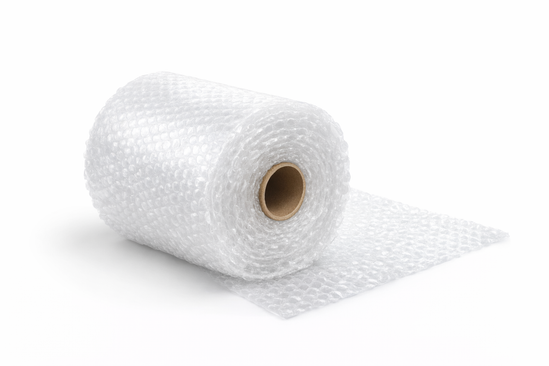
Bubble wrap is a practical protective packaging material used to cushion products during packing, storage, handling, and transportation.
Using it correctly can help reduce direct contact, scratches, movement, and minor impact around fragile or surface-sensitive products.
Choose the Right Amount of Bubble Wrap
The amount of bubble wrap needed depends on the product being protected.
Consider:
- Product size
- Product weight
- Fragility
- Shape
- Sharp edges or corners
- Storage conditions
- Transportation requirements
More delicate items may require additional layers or extra cushioning around vulnerable areas.
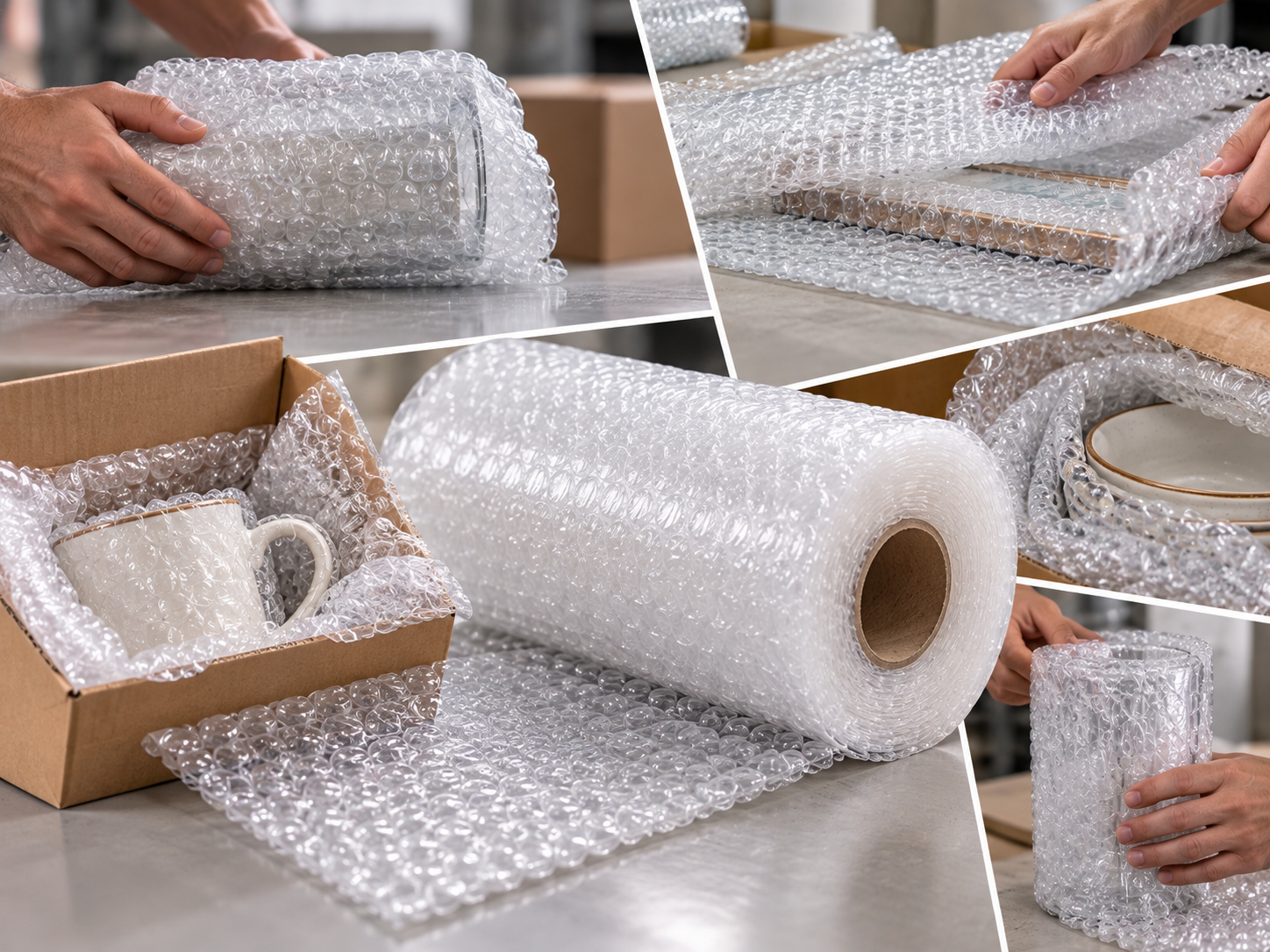
Wrap the Product Completely
For better protection, cover the product from all sides rather than wrapping only one surface.
Make sure that:
- Corners are covered
- Edges are protected
- Exposed surfaces are cushioned
- The wrap remains secure around the item
Avoid leaving fragile sections uncovered.
Add Extra Protection Around Vulnerable Areas
Some products need additional protection around specific areas.
Examples include:
- Corners
- Handles
- Glass edges
- Decorative surfaces
- Protruding parts
Adding an extra layer of bubble wrap around these points can provide additional cushioning.
Secure the Bubble Wrap
After wrapping the product, secure the material so it stays in place during handling.
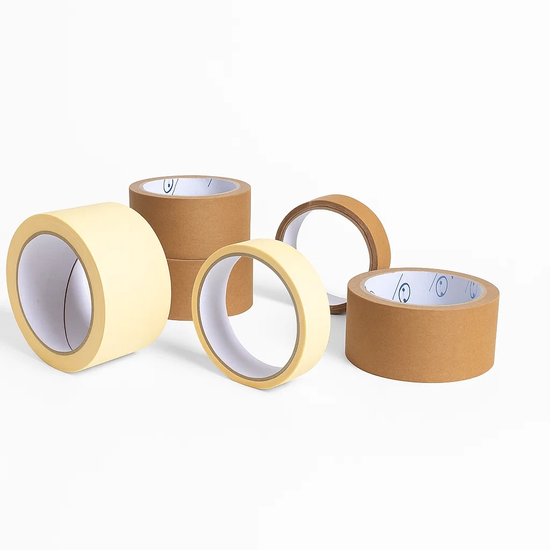
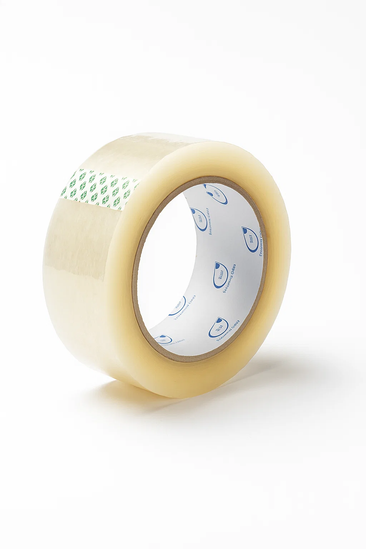
Depending on the packaging method, businesses may use suitable adhesive tape to hold the wrap securely.
Avoid making the wrapping unnecessarily tight if this could place pressure on a fragile product.
Use Bubble Wrap Inside Cartons
Bubble wrap can also be used as internal protective packaging inside boxes.
It may be placed:
- Around the product
- Between multiple items
- Along carton sides
- At the top and bottom of the box
- In empty spaces to reduce movement
The goal is to help prevent the product from shifting excessively during transportation.
Separate Products When Packing Multiple Items
When several products are packed in the same carton, avoid allowing them to make direct contact where this could cause scratches or damage.
Bubble wrap can be used as a separating layer between products.
This can be especially useful for:
- Glassware
- Ceramics
- Decorative items
- Metal components
- Surface-sensitive products
Consider the Direction of the Bubbles
For many protective wrapping applications, the bubble side can be positioned toward the product so the air-filled cells provide cushioning around the surface.
The exact wrapping method should still depend on the product and packaging requirements.
Avoid Reusing Damaged Bubble Wrap
Bubble wrap that has lost air from many of its bubbles may provide less cushioning than new material.
Before reusing bubble wrap, check that the bubbles are still sufficiently inflated and that the material is clean and undamaged.
Combine Bubble Wrap with Other Packaging Materials
Bubble wrap may be used together with other packaging materials depending on the application.
Examples include:
- Cartons
- Adhesive tapes
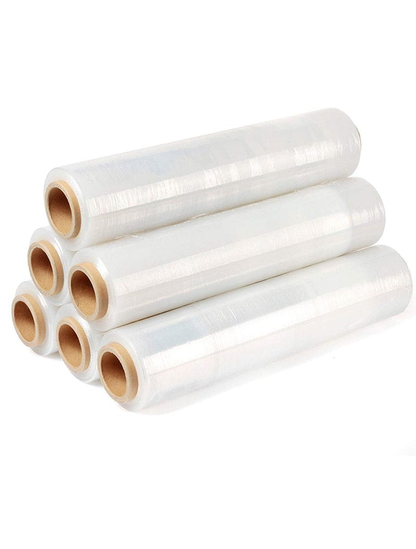
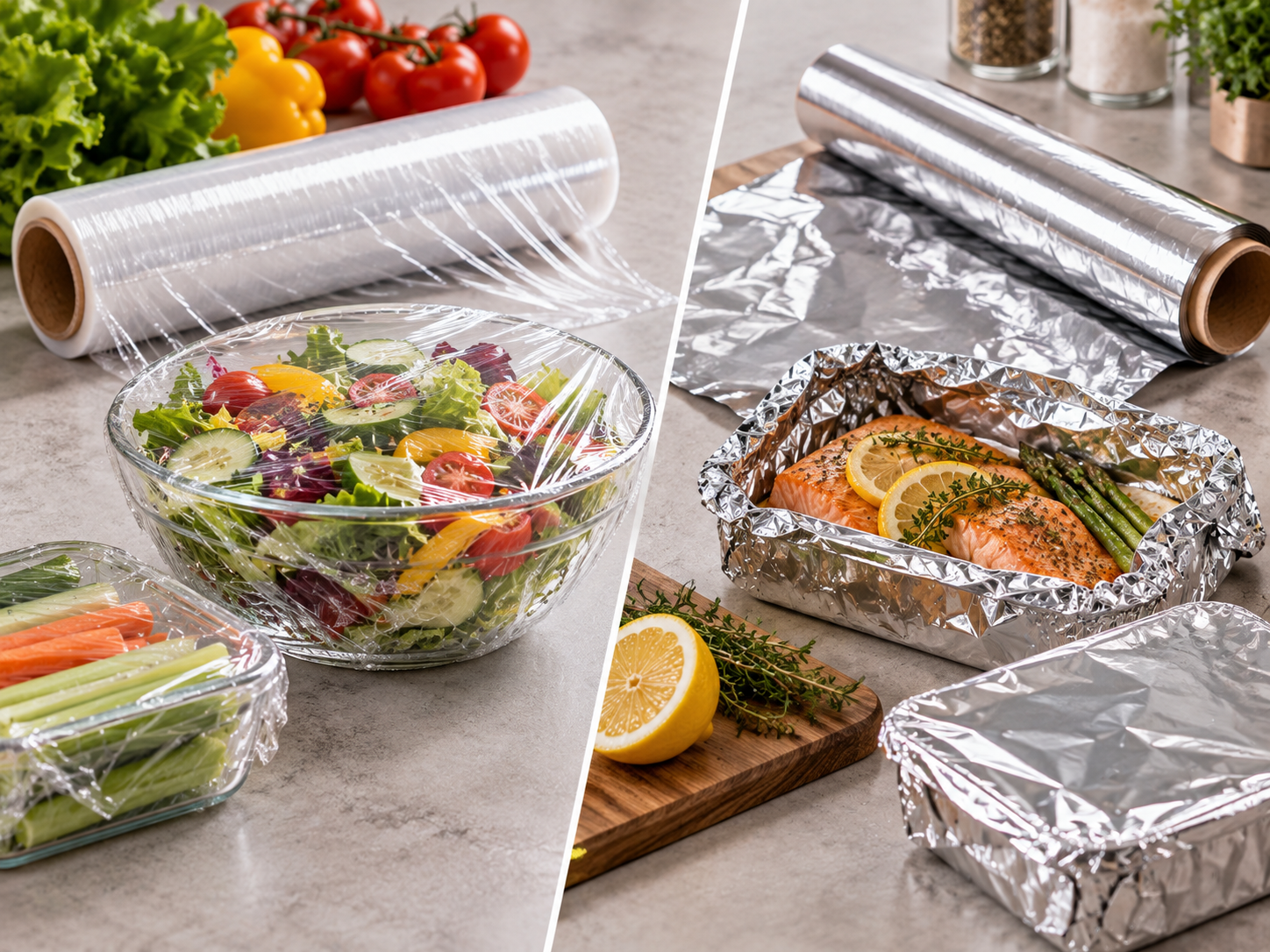
- Stretch film
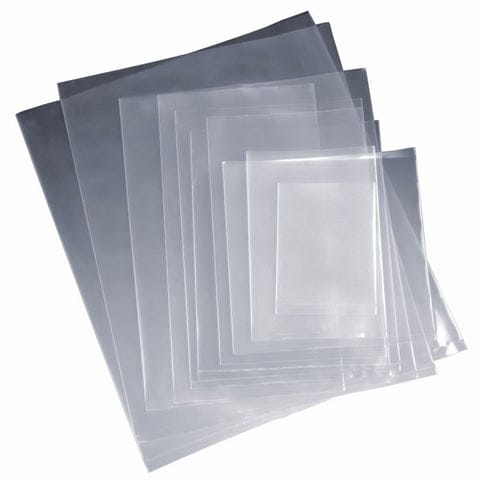
- Packaging bags
- Protective separators
Each material serves a different purpose within the overall packaging process.
Practical Packing Checklist
Before closing the package, check that:
- The product is fully covered
- Fragile areas have additional protection
- The bubble wrap is secured
- The item cannot move excessively inside the carton
- Multiple products are properly separated
- The outer package is suitable for the product
A simple final check can help identify areas that may need additional protection.
Final Thoughts
Bubble wrap can provide practical cushioning and surface protection when it is selected and applied according to the product being packed.
The correct amount of material, secure wrapping, and proper placement inside the package can help support safer handling, storage, and transportation.
Explore JSSC Bubble Wrap or contact JSSC for available specifications and additional product information.